1. Assessment
The team inspects the cabin, finds where fluids reached and decides what can be cleaned and what must come out.
Wilson, NC · Wilson County
Blood, vomit, urine or waste in a vehicle in Wilson is a job for protective gear and proper disposal. Call (877) 812-4220 and cleaners will contain the cabin, clean it and haul the waste.
If anyone is in danger, call 911 first. For a suicide crisis, call or text 988.
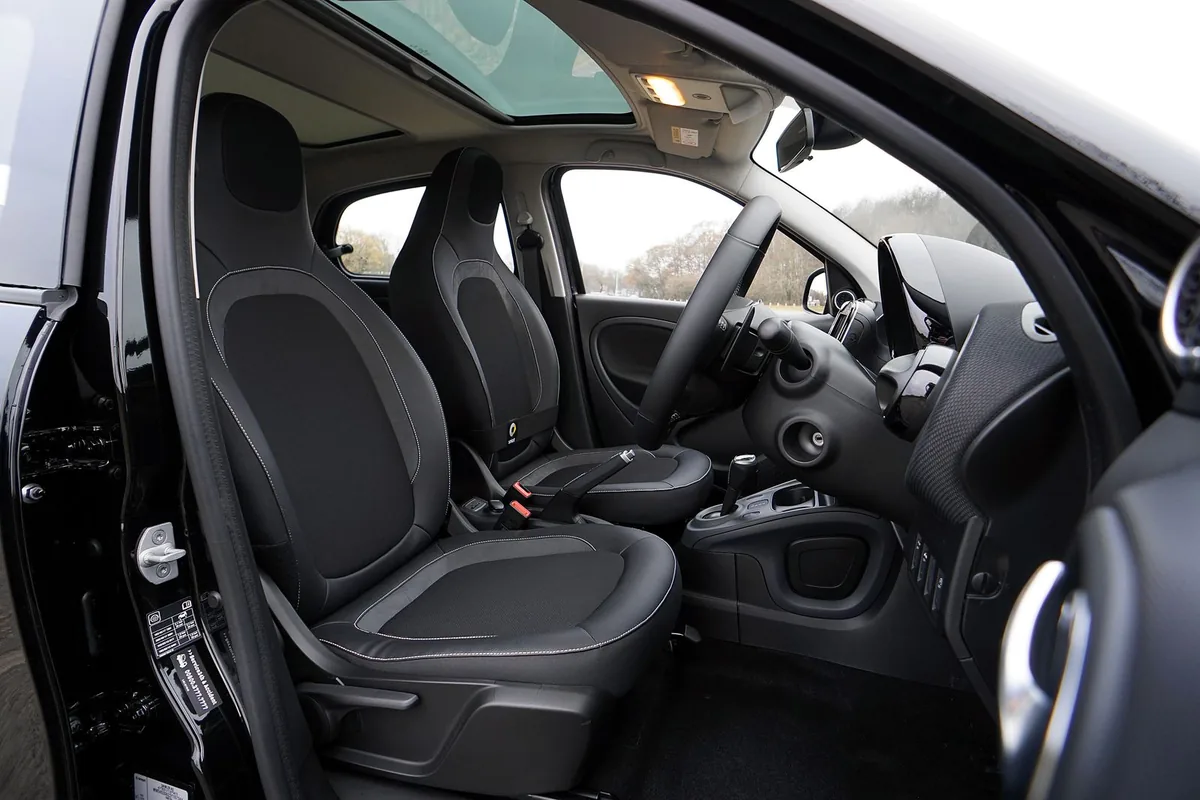
A vehicle decontamination service removes the hazard, not just the stain. It finds every area the fluid reached, takes out soaked upholstery and padding and disinfects what stays.
When your vehicle needs decontamination in Wilson, you get the crew, the protective gear and the disinfectants from Wilson Biohazard Cleanup Help. Soaked parts are removed and hauled away as regulated waste.
With about 50 inches of rain a year in Wilson, damp air and leaks can feed mold in a contaminated vehicle that was left sitting. If you were exposed to blood in a vehicle, Wilson Medical Center in Wilson is the closest emergency room to ask about testing and next steps.
Vehicle Biohazard Cleanup in Wilson usually includes:
The team inspects the cabin, finds where fluids reached and decides what can be cleaned and what must come out.
Technicians wear full protective equipment and limit access to stop cross-contamination.
Contaminated materials come out first. The cabin is cleaned and disinfected, and odor is treated at its source.
Lingering smells are treated, the waste is hauled away, and a last inspection confirms the vehicle is ready.
Vehicle biohazard cleanup in Wilson, NC typically costs $500 to $5,000, depending on the size of the affected area and the materials involved.
Waste volume plays a role. More removed material means more packaging and more regulated medical waste to haul and dispose of.
| Type of job | Typical range |
|---|---|
| Vehicle biohazard cleanup | $500 - $5,000 |
Published ranges only (BioCleaners Directory); every vehicle biohazard cleanup job in Wilson is priced after an on-site look. Price drivers include type of interior materials, how serious the event was, time since the event, air system decontamination. Questions? Call (877) 812-4220.
People use both phrases. Most of the time they mean decontaminating a vehicle that holds blood or other body fluids. Chemical spills are a separate hazard, and a cleanup team can say whether it can handle a specific one.
Many auto insurance policies cover some losses that are not collisions, and some policies exclude cleanup. Only your policy and your insurer can say. Call before cleanup starts, take photos and keep every receipt.
It refers to a vehicle damaged by a biohazard, such as blood or body fluids, or by a chemical spill. Both kinds of contamination call for protective gear and specialized cleaning. A cleanup team can tell which applies after seeing the vehicle.
A small spill on a hard surface can be cleaned with gloves, eye protection and an EPA-registered disinfectant. Do not do it with an open cut, and do not use the car until fluids that soaked into fabric are removed. For larger spills, call a cleanup team.
It depends on the vehicle, the amount of contamination and how much has to be removed. A single stained seat is a shorter job than a cabin with fluids on many surfaces. Odor treatment can add time.
A salvage vehicle is one an insurer has declared a total loss. Some are also tagged for contamination when blood or fluids were involved. Labels and rules vary, so ask the insurer or the state title office what applies to a specific vehicle.
Discreet biohazard car cleaning for drivers and businesses.
Call (877) 812-4220